

Ancestral Pedestals
Honouring the Wisdom of Our Ancestors
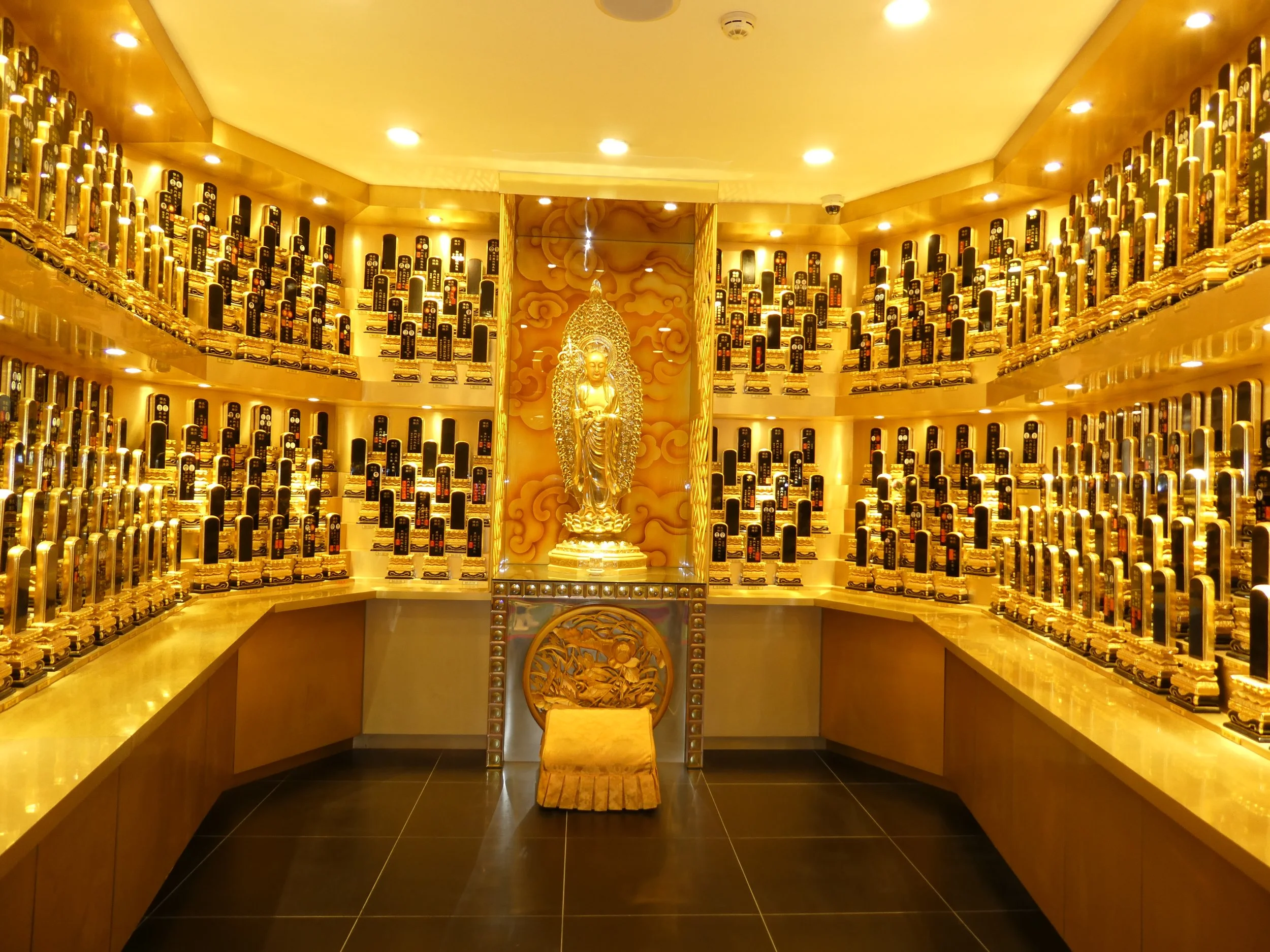
What Is the Purpose of an Ancestral Pedestal?
An ancestral pedestal is traditionally used to honor and pay respects to ancestors, symbolizing their presence and maintaining their spiritual connection with the living. It is often found in spaces dedicated to reverence and remembrance. The pedestal serves as a focal point for offering prayers, lighting incense, or performing rituals to acknowledge the guidance and protection of ancestors.
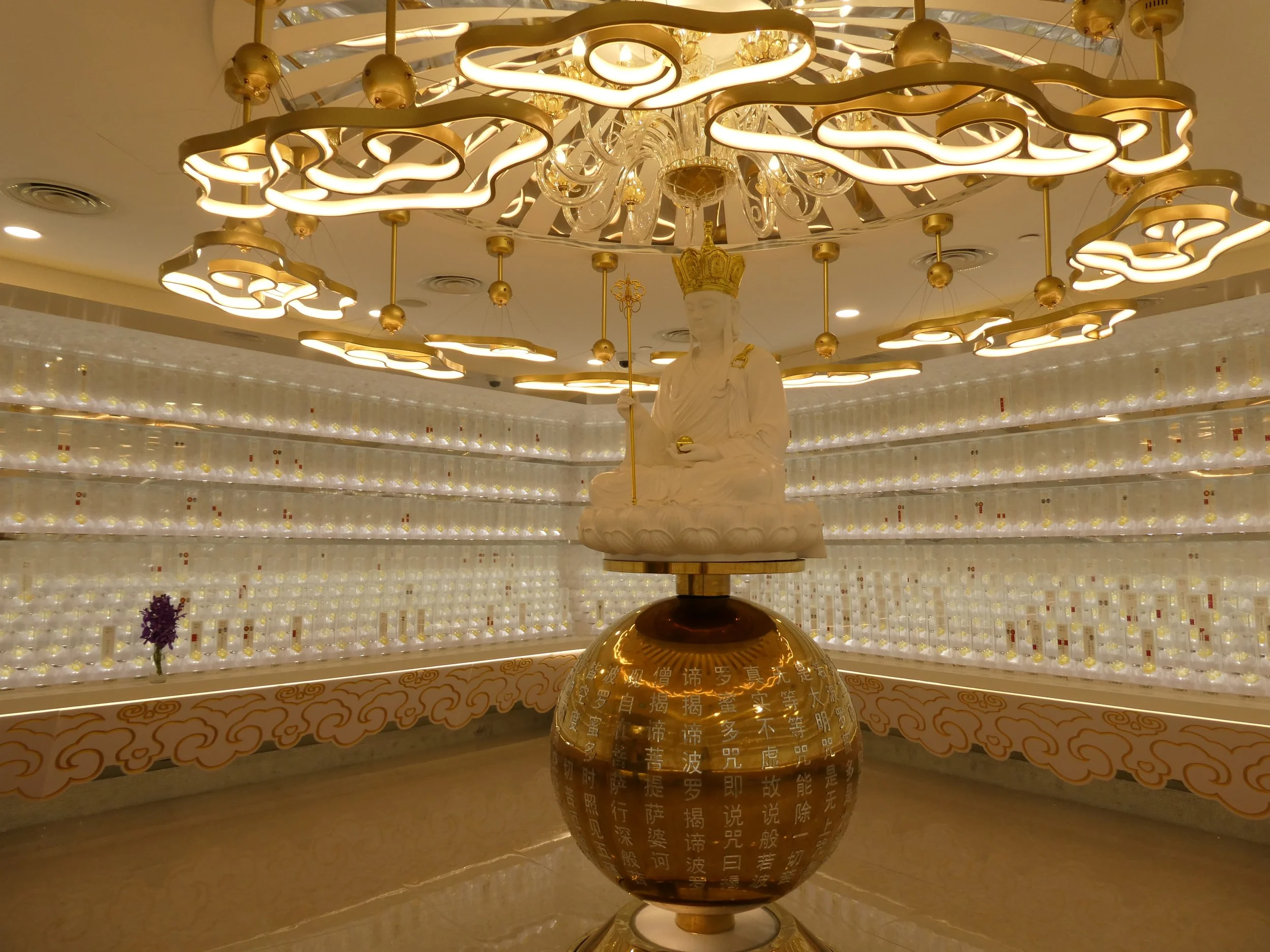
How Do I Relocate an Ancestral Pedestal?
Relocating an ancestral pedestal requires special care and respect. Before moving it, a monk must perform a prayer to prepare the pedestal for the relocation. Once it is moved to the new location, another prayer will be performed by the monk to bless the pedestal and establish its spiritual presence in the new space. This ensures that the ancestors are properly honored and the pedestal retains its sacred significance. Always consult a qualified monk to ensure the proper rituals are followed.
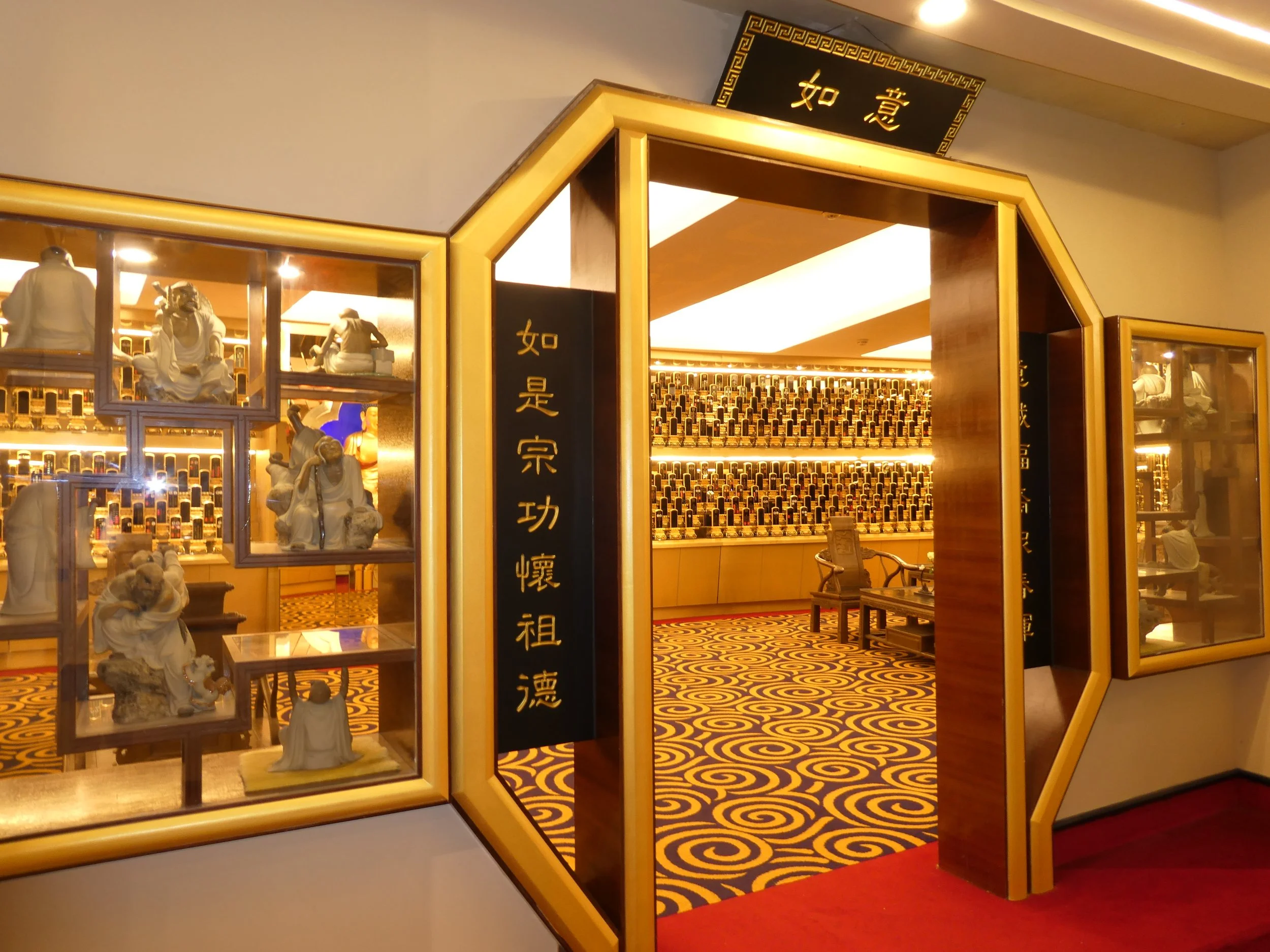
Is It Necessary to Have an Ancestral Pedestal?
While an ancestral pedestal is not mandatory for everyone, it is a significant cultural and spiritual symbol in many traditions. Having one helps to establish a strong connection with your ancestors and can serve as a reminder of the values and teachings passed down through generations. For those who follow traditions that honor their ancestors, the pedestal is a valuable tool for preserving that bond. However, it ultimately depends on personal beliefs and practices.